Most custom homes in Oklahoma are financed with a construction loan, usually a construction-to-permanent loan that becomes a regular mortgage once the house is finished. Expect a lender to ask for about 20 percent down on a conventional construction loan, plus complete plans, a signed builder contract, a detailed budget, and a timeline. FHA, VA, and USDA versions can require far less down.
The financing and the design are more connected than most people expect. The lender is lending against a house that exists only on paper, so the quality of that paper matters.
Why can't you use a regular mortgage to build a house?
A regular mortgage pays the full amount at closing because the house already exists. A construction loan lends against a house that has not been built yet. The lender releases money in stages, called draws, as the builder reaches set milestones and an inspector confirms the work. Our Oklahoma custom home timeline shows how long each stage of the build usually takes.
Because the lender is taking more risk, construction loans have stricter requirements than a typical home purchase. Bankrate notes that a conventional mortgage can require as little as 3 percent down, while a construction lender may want closer to 20 percent.
One-time close or two-time close: what is the difference?
There are two main ways to structure the loan.
|
|
One-time close (construction-to-permanent) |
Two-time close (construction-only, then an end loan) |
|---|---|---|
|
Closings |
One |
Two: one for construction, one for the permanent mortgage |
|
Qualifying |
Once, before construction |
Twice, including again after the home is built |
|
When it becomes a mortgage |
Converts automatically when the home is finished |
You apply for a separate mortgage after the home passes inspection |
|
Best for |
Borrowers who want one approval and one set of closing costs |
Borrowers who want to shop the permanent loan separately |
Sources: The Federal Savings Bank and Bankrate, accessed October 2026.
Not every lender offers a one-time close loan, so ask early. A two-time close carries more risk for you: if your income, credit, or rates change during the build, the permanent loan could look different from what you planned.
How much down payment do you need to build a custom home?
It depends on the loan program.
|
Loan program |
Typical minimum down payment |
Who it fits |
|---|---|---|
|
Conventional construction loan |
About 20% |
Most custom home buyers |
|
FHA one-time close |
3.5% with a credit score of 580 or higher |
Borrowers within FHA's county loan limits |
|
VA one-time close |
0% |
Eligible service members and veterans |
|
USDA single-close |
0% |
Low- to moderate-income borrowers in eligible rural areas |
Sources: Bankrate and Mortgage Research Network, accessed October 2026.
FHA loans carry county loan limits and USDA loans carry income limits, so many custom homes end up with conventional or jumbo financing. Not every FHA, VA, or USDA lender offers the construction version, and the builder usually has to be approved by the program.
Can you use land you already own as a down payment?
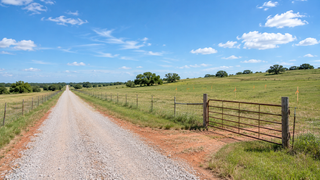
Often, yes. If you own your land outright or have built equity in it, many lenders will count that equity toward the down payment and closing costs. It also signals lower risk to the lender. If you are still shopping for land, a one-time close loan can often roll the land purchase, the construction, and the permanent mortgage into one loan.

What do lenders need from your house plans?
This is where design and financing meet. Lenders review the project as closely as they review you. Expect to provide:
- Complete construction plans and specifications
- A signed contract with a licensed builder, with detailed pricing
- A line-item budget
- A construction timeline
- Proof of land ownership or a purchase contract
- Builder information, since most lenders approve the builder too
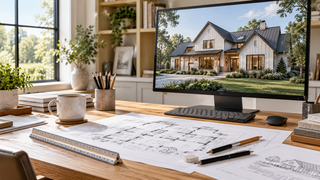
The appraisal works from those documents. The appraiser considers the plans, costs, and land value and compares the finished home with recent sales nearby. If the plans are vague, the budget is vague, and the appraisal is harder to support. Our post on what a complete set of house plans includes explains what a buildable plan set contains.
Our custom plan sets are drawn as complete, builder-ready construction documents, and our stock plans are drawn to the same builder-ready standard. They are detailed enough for a builder to price accurately and for a lender to appraise, which keeps the loan file moving.
What can go wrong with a construction loan appraisal?
The most common problem is a gap between what the home costs to build and what the appraiser says it will be worth. That happens when:
- The design includes features buyers in the area will not pay for
- There are few comparable homes nearby, which is common on rural acreage
- Finishes run well above the surrounding homes
If the appraisal comes in low, you cover the difference in cash or change the plan. Our post on whether barndominiums hold their value explains how appraisers handle unusual homes, and the same logic applies to any custom build.
What is the right order of steps?
- Talk to a construction lender first. Get pre-qualified so you know your real budget before design starts. Our guide to how much house you can afford to build walks through the math.
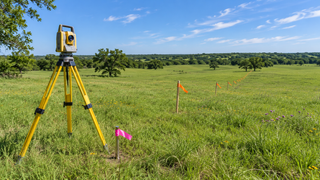
- Secure the land. Confirm utilities, access, and any deed restrictions before you buy. Our post on how much land you need to build a house covers what to check.
- Design to the budget. Settle size, shape, and finish level while changes are cheap. Our post on custom home costs in Oklahoma City shows what moves the number.
- Get builder bids on complete plans. Detailed plans produce comparable bids.
- Submit to the lender. The lender reviews the plans, budget, builder, and appraisal, then closes.
- Build through the draw schedule. Funds are released as milestones are inspected.
- Convert or close the permanent loan. A one-time close converts automatically. A two-time close needs a new mortgage.
Build a contingency into the budget too. Oklahoma builds often carry costs that show up after the lender's first look, such as foundation engineering for clay soil or a storm shelter.
The smoothest construction loans start with a plan that answers the lender's questions before they are asked. Book a design consultation and we will help you design a home that fits your budget and gives your lender what it needs.
Frequently asked questions
How much down payment do I need to build a custom home?
Conventional construction loans usually require about 20 percent down. FHA one-time close loans can require 3.5 percent with a credit score of 580 or higher. VA and USDA one-time close loans can require no down payment for eligible borrowers.
Can I use my land as a down payment on a construction loan?
Often, yes. Many lenders count equity in land you already own toward the down payment and closing costs. Ask your lender how it values the land.
What is the difference between a one-time close and a two-time close construction loan?
A one-time close loan covers construction and converts to a permanent mortgage with a single closing. A two-time close loan has one closing for construction and a second for the permanent mortgage after the home is built.
What documents does a lender need for a construction loan?
Expect to provide complete plans and specifications, a signed builder contract with pricing, a line-item budget, a timeline, and proof of land ownership or a purchase contract, along with the usual income and credit documents.
Do I make payments while the house is being built?
Usually you pay interest only on the money drawn so far. Some FHA and VA one-time close programs defer payments until construction is complete. Ask your lender how its program works.