On a straight national average, buying an existing home costs less than building a new one. The average cost to buy a home is $410,000 to $536,000, while the average cost to build a house ranges from $487,000 to $645,000, according to a 2025 HomeGuide analysis citing the U.S. Census Bureau, the National Association of Realtors, and the National Association of Home Builders. That gap is real, and it does not mean building is the wrong call for every buyer. It means the reasons to build have to be worth a real, specific premium, and this article names what those reasons actually are.
The numbers, by source
Three separate organizations track this, and their figures land in a similar range. The U.S. Census Bureau puts the average cost to build at $487,000 against $409,300 to buy. The National Association of Home Builders puts building at $644,750 against $535,500 to buy. The National Association of Realtors reports an average buy price of $410,200. None of these figures include the cost of land, which is a separate and often significant addition on the building side of the ledger.
New home construction runs $150 to $280 per square foot on average nationally, not including land, while a custom-built home runs $250 to $500 or more per square foot depending on design complexity and finish level, according to HomeGuide. The gap between a production-built spec home and a fully custom design is often larger than the gap between buying and building at all.
Why buying wins on average
The math favors buying for a simple structural reason: an existing home has already absorbed its land cost into a purchase price set by the current market, while a new build pays current-year prices for land, materials, and labor, all at once, without the benefit of appreciation that has already happened for an existing property. Building also carries costs buying does not: potential financing for both land and construction, a longer timeline with carrying costs during that period, and a real risk of cost overruns that an existing home's fixed purchase price does not carry.
The two conditions under which building genuinely wins
Averages describe the middle of the market. They do not describe every buyer's actual situation, and there are two conditions where building is the better financial decision, not just the more personally satisfying one.
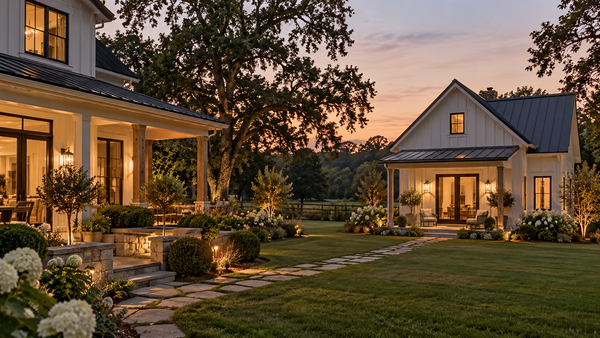
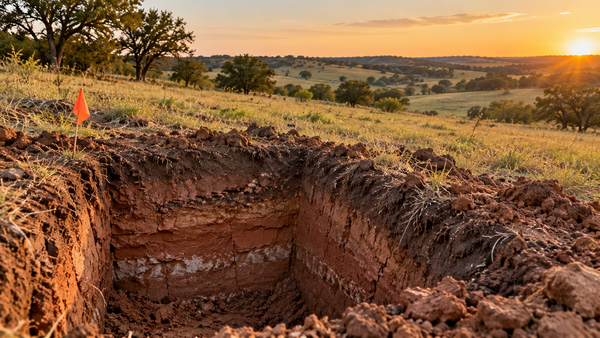
Condition one: you already own the land, or the land you want is not attached to an existing home. Once land cost is removed from the building side of the comparison, the gap narrows substantially, and in some markets it closes or reverses entirely. This is exactly the position most rural acreage buyers are in, and it is the single biggest reason the national averages above do not apply cleanly to that buyer.
Condition two: the existing homes on the market do not actually meet your requirements, and modifying one would cost more than building to spec. A dated three-bedroom home that needs a full kitchen renovation, an addition, and a new roof to meet a family's real needs is not actually competing on the average purchase price. It is competing on purchase price plus renovation cost, and that combined number is frequently higher than a new build once it is added up honestly.

What building gets you that buying does not
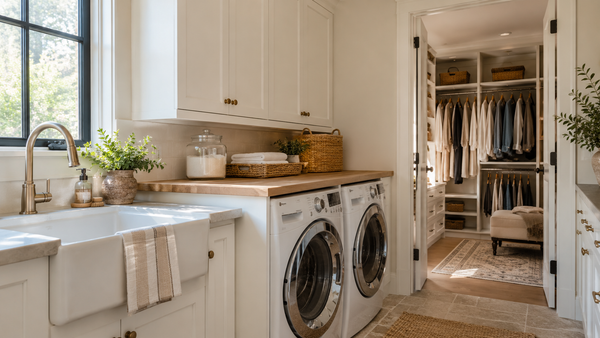
Customization is the most cited reason to build, and it is a real one: every layout decision, material choice, and system is selected rather than inherited. New construction also comes with updated materials and better energy efficiency, current building code compliance, no deferred maintenance or hidden repairs, and often a builder's warranty that an existing home purchase does not include.
These are not abstract benefits. A dated HVAC system, aging roof, or outdated electrical panel in an existing home is a cost that shows up eventually whether or not it appears in the purchase price, and building sidesteps all of it at the start.
What buying gets you that building does not
-
A fixed price at closing, with no risk of cost overruns during a build
-
A move-in timeline measured in weeks rather than months
-
The ability to see and walk the actual finished product before committing
-
No exposure to material price volatility or contractor availability during construction
How to actually decide for your situation
Price both paths honestly before deciding. On the buy side, that means the purchase price plus any renovation or repair costs needed to make the home actually work for your family, not just the listing price. On the build side, that means land cost if you do not already own it, site preparation, the construction cost itself, and a realistic contingency, not just the base construction estimate.
If you already own land, or if you have been unable to find an existing home that fits without a renovation that costs nearly as much as building, that is exactly the situation where building is worth a closer look. Book a design consultation and we can help you price a real plan against your actual land and budget rather than a national average.
Frequently asked questions
Is it cheaper to build or buy a house in 2026?
On average, buying is cheaper. The average cost to buy a home is $410,000 to $536,000, while the average cost to build ranges from $487,000 to $645,000, according to 2025 data from the U.S. Census Bureau, NAR, and NAHB. Owning the land already, or facing a costly renovation on an existing home, can shift the math toward building.
Does the cost to build include land?
No. The building cost figures cited by the Census Bureau, NAR, and NAHB exclude land. Land cost is a separate and often significant factor that has to be added to the building side of any real comparison.
When does building make more financial sense than buying?
Most clearly when you already own the land, removing that cost from the comparison entirely, or when the existing homes available would require renovation costs that add up to nearly as much as building new.
What does new construction cost per square foot?
New home construction runs $150 to $280 per square foot on average nationally, not including land, while custom-built homes run $250 to $500 or more per square foot depending on design and finish level, according to HomeGuide.
What are the biggest risks of building compared to buying?
Cost overruns, a longer and less predictable timeline, and the need to finance land and construction, sometimes as two separate loans, are the main risks building carries that a fixed-price existing home purchase does not.