Barndominium vs Traditional Home: What's Different and What's Better
The main difference between a barndominium and a traditional home is the structure. A barndominium uses a barn-inspired frame, often post-frame or steel frame, that allows wide-open interior spans and a distinctive exterior, while a traditional home uses conventional framing and a more familiar look. Neither one is better in every case. The right answer depends on your land, your budget, and the way you want to live. Below we compare them honestly, the way we would across the table, so you can decide which fits your build.
Cost: which is more affordable?
Barndominiums can be more cost-efficient to build, largely because the structure is simple and the spans are wide. But the gap is smaller than the internet makes it sound. As we cover in our barndominium cost breakdown, finish level and site work move the budget more than the building style does. A high-finish barndominium can cost more than a modest traditional home. Compare finished costs for the home you actually want, not headline numbers.
Layout and living space
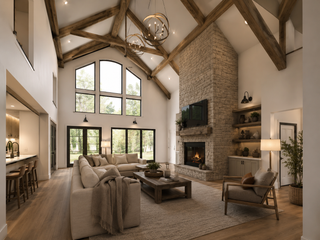
This is where barndominiums shine. The wide structural spans mean fewer interior load-bearing walls, which gives you big, open living areas and flexibility to lay the home out the way you want. Traditional homes can absolutely be open too, but the structure imposes more rules. If a wide-open great room and a flexible floor plan are high on your list, the barndominium structure makes them easier to get.
Durability and energy
Both can be built to last and built efficiently. Durability and energy performance come down to the materials and details you choose, not the label on the style. Insulation, windows, and air sealing drive comfort and energy bills in either type, and the U.S. Department of Energy's Energy Saver guidance is a solid place to understand those choices. If energy performance is a top priority, also look at our ICF home plans, which use insulated concrete forms for a tight, strong envelope.
The look
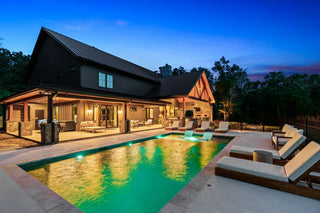
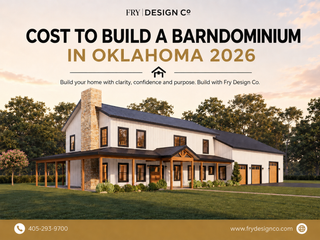
Style is personal. A barndominium reads rustic-modern, with metal accents, big porches, and a distinctive profile that fits acreage and rural settings well. A traditional home reads classic and familiar, and tends to sit comfortably in established neighborhoods. There is no right answer here, only the one that feels like home to you. You can see both in our plan collections: barndominiums and traditional homes.
Resale
Traditional homes have a longer track record with appraisers and lenders in most markets, which can make financing and resale more straightforward. Barndominiums have grown quickly in popularity, especially on acreage, but local familiarity varies. If resale is a major factor, talk to a local lender and agent about how each type is viewed in your specific market.
So which is better?
Better is the one that fits your land, your budget, and your life. Choose a barndominium for wide-open layouts, acreage, and a distinctive look at an efficient structure. Choose a traditional home for a classic feel and the broadest market familiarity. Either way, the win is a plan that is thought through before you build.
Browse our plans and find the style that fits how you want to live.
Frequently Asked Questions
What is the difference between a barndominium and a traditional home?
A barndominium uses a barn-inspired frame, often post-frame, that allows wide-open interior spans and a distinctive exterior. A traditional home uses conventional framing and a more familiar look. The biggest practical difference is interior openness, since barndominiums need fewer load-bearing walls.
Is a barndominium cheaper than a traditional home?
Often, but not always. The barndominium structure can be more cost-efficient, yet finish level, size, and site work affect the budget more than building style. A high-finish barndominium can cost more than a modest traditional home. Compare finished costs for the home you actually want.
Are barndominiums harder to finance or resell?
It varies by market. Traditional homes have a longer track record with lenders and appraisers in most areas, which can make financing and resale more straightforward. Barndominiums have grown popular, especially on acreage, but local familiarity differs. Talk to a local lender and agent early.
Which lasts longer, a barndominium or a traditional home?
Both can be built to last for generations. Durability depends on the materials, the build quality, and the details, not the style label. Insulation, windows, and air sealing drive comfort and energy performance in either type. For a very tight, strong envelope, also consider ICF construction.
About the Author
Jeff Fry is the founder and CEO of Fry Design Co., a residential design firm in the Oklahoma City metro that specializes in barndominiums, modern farmhouse homes, ICF homes, and builder-ready custom home plans. He has spent his career in residential design and construction, and he built the firm around a simple idea: confident homeowners make better decisions. Through the Home Empowerment Process, Jeff and his team walk every client through their home in 3D before construction begins, using Revit and real-time visualization, so the people who will live in the home understand it before a single board is cut. Learn more about Jeff and the team in our story.